

Bending, lifting, sitting: what you should really know about back pain
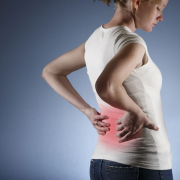
A large study published in JAMA Network Open and conducted on people who had recently consulted a doctor for low back pain sought to answer two fundamental questions: which everyday activities can trigger an immediate worsening of pain (the so-called “flare”), and whether practising these activities more frequently is associated with long-term functional problems.
The researchers followed 416 adults for one year, repeatedly asking them (often three times a week in the early phases) how many hours they had spent in the previous 24 hours lifting, bending, sitting, walking and performing other activities, and whether they were experiencing a worsening of pain at that time.
The results are interesting and, in many ways, reassuring. In the short term, some activities were indeed associated with a higher likelihood of increased pain: lifting loads (even if not particularly heavy), pushing or pulling, bending, twisting and squatting.
Each additional hour spent performing these movements slightly increased the probability of a flare in the following 24 hours. Conversely, spending more hours sitting was associated with a lower likelihood of immediate worsening.
And in the long term? Here comes the good news: the average amount of time spent on these activities during the first eight weeks was not associated with greater functional limitations after one year. In other words, even if a movement may make us feel worse in the following hours, there is no evidence that those who perform these activities more frequently develop worse back function at 12 months.
What does all this mean for people with low back pain?
“First of all, there is no need to automatically give up demanding everyday actions – such as lifting a child or bending down to pick something up – for fear that they may cause permanent damage,” explains physiotherapist Martina Poggio. “It is normal for certain actions to trigger temporary discomfort: this study suggests that, in most cases, these episodes do not translate into a lasting worsening of function. We can therefore choose to do what matters in our lives, while taking into account the possibility of increased pain and adopting simple management strategies: slowing the pace, taking breaks, using symptomatic remedies recommended by a doctor or conservative treatments, and consulting a professional if low back pain is very frequent or disabling.”
Is sitting, then, a good strategy? Not necessarily. While it may reduce the risk of pain in the short term, a sedentary lifestyle is not a healthy long-term choice: it increases the risk of cardiovascular disease and other chronic conditions. Decisions should therefore be balanced, taking into account both back pain and overall health.
There are, therefore, movements that may trigger temporary discomfort, but there is no evidence that these episodes lead to functional deterioration after one year.
“This is why, in the relationship with the patient, absolute prohibitions should not be imposed,” observes Dr Fabio Zaina, ISICO physiatrist. “The goal is to arrive at informed, shared and balanced choices.”
It may sound like a good theory, but difficult to apply in practice. When acute episodes recur, fear, intense pain, limited movement and, at times, the inability to continue working and carrying out daily activities leave their mark, and each episode may appear more severe and longer-lasting than the previous one.
“This is precisely why at ISICO we propose a multidisciplinary and personalised approach,” concludes Poggio. “The specialist doctor ensures that there are no conditions requiring further diagnostic investigation or targeted treatments; the physiotherapist intervenes with manual therapy when indicated, with personalised exercises and, above all, supports the patient towards the fullest possible return to their activities.”
The ultimate goal is to enable people to live their lives with common sense, minimise temporary relapses and reduce the risk of chronicity through a safe, informed and shared pathway.
Biblioography
Suri P, Timmons AKI, Korpak AM, et al. Transient and Long-Term Risks of Common Physical Activities in People With Low Back Pain. JAMA Netw Open. 2025;8(12):e2547915. doi:10.1001/jamanetworkopen.2025.47915



Leave a Reply
Want to join the discussion?Feel free to contribute!